Conference Speakers
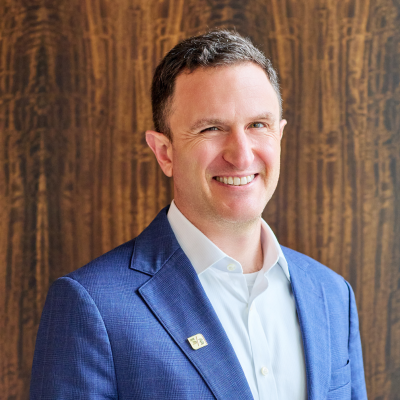
William (Bill) Adams
Chief U.S. Economist, Fifth Third Commercial Bank
William (Bill) Adams is Chief U.S. Economist at Fifth Third Commercial Bank, where he leads analysis of the U.S. economy and macro trends impacting businesses and consumers. He is consistently recognized among America’s top economic forecasters in rankings by Bloomberg, Focus Economics, and Consensus Economics. Bill is widely quoted by the Wall Street Journal, CNBC, and Reuters, and regularly appears on Fox News and NPR’s Marketplace. He is a sought-after speaker known for turning economic data into clear, actionable insights for executives, investors, and the public.
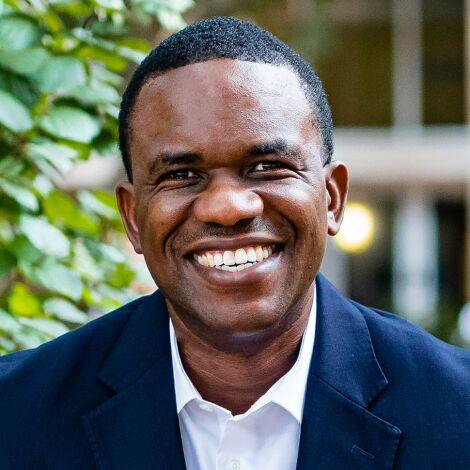
Sekou Bermiss
Associate Professor of Strategy and Entrepreneurship, UNC Kenan-Flagler Business School and 2025 Kenan Institute Distinguished Fellow
Sekou Bermiss’ research is in the area of strategic management and organizational theory.
Specifically, he investigates how institutional factors shape the perception of firms by critical stakeholders. His research also explores the antecedents and consequences of human capital mobility and how different forms of employee movement impact a firm’s ability to compete with rivals.
Dr. Bermiss teaches courses in people analytics, managing human capital, leading for impact and organizational theory and design
Specifically, he investigates how institutional factors shape the perception of firms by critical stakeholders. His research also explores the antecedents and consequences of human capital mobility and how different forms of employee movement impact a firm’s ability to compete with rivals.
Dr. Bermiss teaches courses in people analytics, managing human capital, leading for impact and organizational theory and design
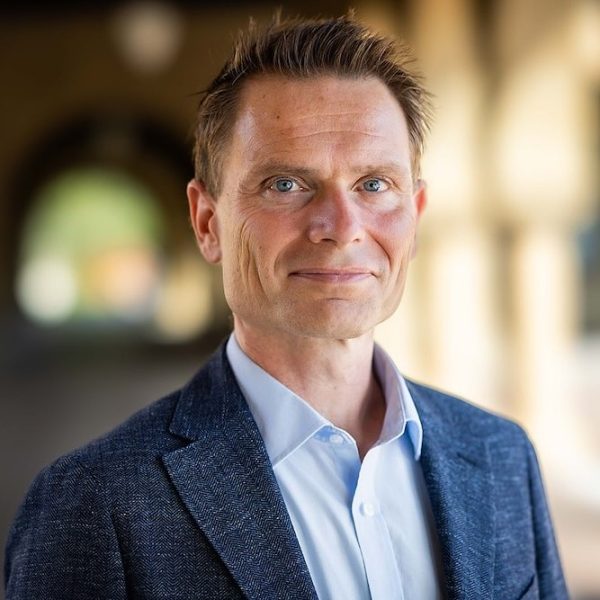
Nicholas Bloom
William D. Eberle Professor in Economics and Academic Council faculty, Stanford University and 2026 Kenan Institute Distinguished Fellow
Nicholas (Nick) Bloom is the William Eberle Professor of Economics at Stanford University, a Senior Fellow of SIEPR, and the Co-Director of the Productivity, Innovation, and Entrepreneurship Program at the National Bureau of Economic Research. His research focuses on management practices and uncertainty. He previously worked at the UK Treasury and McKinsey & Company.

Michael Christian
Professor of Organizational Behavior, Bell Distinguished Scholar and Area Chair of Organizational Behavior, UNC Kenan-Flagler Business School and 2026 Kenan Institute Distinguished Fellow
Mike Christian is an award-winning teacher and researcher. Dr. Christian aspires to help people to be their best at work. Dr. Christian’s teaching interests include human energy optimization, resilience, leadership coaching, leading effective teams and organizational change. His research focuses on understanding the mind-body connection at work. He examines how somatic states such as sleep, pain and sickness affect energy, work engagement and self-control at work. He studies how these factors dynamically relate to unethical behavior as well as desirable work performance.
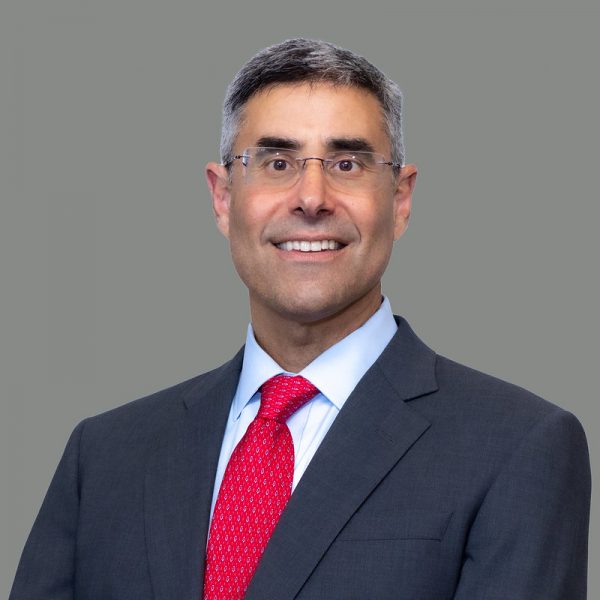
Gerald Cohen
Chief Economist, Kenan Institute of Private Enterprise
Gerald provides strategic vision and leadership of the translational economic research and policy initiatives at the Institute.
He has worked in both the public and private sectors focusing on the intersection between financial markets and economic fundamentals. During the Obama Administration Gerald was Deputy Assistant Secretary for Macroeconomic Analysis at the U.S. Department of Treasury where he helped formulate and evaluate the impact of policy proposals on the U.S. economy. Prior to Treasury, he managed a global macro fund at Ziff Brothers Investments.
He has worked in both the public and private sectors focusing on the intersection between financial markets and economic fundamentals. During the Obama Administration Gerald was Deputy Assistant Secretary for Macroeconomic Analysis at the U.S. Department of Treasury where he helped formulate and evaluate the impact of policy proposals on the U.S. economy. Prior to Treasury, he managed a global macro fund at Ziff Brothers Investments.

David Knowles
Managing Director, Kenan Institute of Private Enterprise
David is responsible for oversight and management of the internal operations, administration, finance, corporate relations, and human resources of the Kenan Institute.
He previously served as the institute’s director of business development and finance. Prior to joining the institute, David was director of economic development and engagement for UNC’s Renaissance Computing Institute (RENCI), where he led the formation of two public-private partnerships: the National Consortium for Data Science and the iRODS Consortium. He also led RENCI’s engagement center network at several UNC System universities.
He previously served as the institute’s director of business development and finance. Prior to joining the institute, David was director of economic development and engagement for UNC’s Renaissance Computing Institute (RENCI), where he led the formation of two public-private partnerships: the National Consortium for Data Science and the iRODS Consortium. He also led RENCI’s engagement center network at several UNC System universities.
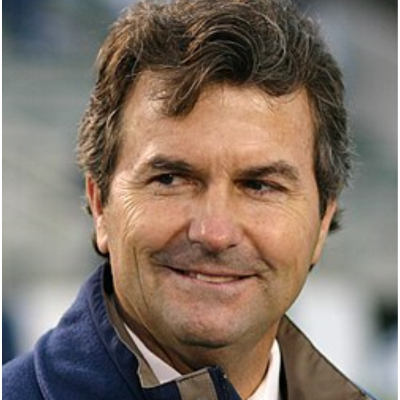
Anson Dorrance
Head Coach, Women's Soccer (ret.), University of North Carolina at Chapel Hill
Anson Dorrance was the legendary women's soccer coach at the University of North Carolina. His program is commonly referred to as "The Dynasty." Under Dorrance's leadership at the University of North Carolina, the Tar Heels women’s soccer teams won 22 National Championships with a .87 winning percentage over 45 seasons (934-88-53). He has led his team to a 101-game unbeaten streak and his players have won 20 National Player of the Year awards. He is not only the most successful coach in the women's game—a six-time National Coach of the Year—but an ambassador of the game, a highly sought-after motivational speaker, a major force in training young players through wildly popular soccer camps, and a successful television broadcaster.
His teams have won 22 National Championships, 22 ACC Tournament Championships, and 25 Regular Season ACC Championships, and many of his former players have gone on to become the most accomplished players in the world, including superstar Mia Hamm. Anson was also the head coach for the United States Women’s National Team, where he led them to a World Champions in 1991. When he was hired, the United States had never won a competitive game before. When he retired from the national team, they were reigning World Champions.
His teams have won 22 National Championships, 22 ACC Tournament Championships, and 25 Regular Season ACC Championships, and many of his former players have gone on to become the most accomplished players in the world, including superstar Mia Hamm. Anson was also the head coach for the United States Women’s National Team, where he led them to a World Champions in 1991. When he was hired, the United States had never won a competitive game before. When he retired from the national team, they were reigning World Champions.

Elizabeth Faber
Global Chief People and Purpose Officer, Deloitte
Elizabeth Faber is Deloitte’s Global Chief People & Purpose Officer. She is a member of the Deloitte Global Executive Committee and chairs the Global Talent Executive, Global Inclusion Executive, and Global Purpose Executive.
In her current role leading Global People & Purpose, she collaborates with member firm and global business leadership, and the Global Executive Committee to define the People & Purpose agenda globally in service to Deloitte’s partners and people. She leads the development and activation of strategies to deliver a distinctive and inclusive Deloitte talent experience around the globe and embed Deloitte’s Purpose to help drive significant positive environmental and social impact.
In her current role leading Global People & Purpose, she collaborates with member firm and global business leadership, and the Global Executive Committee to define the People & Purpose agenda globally in service to Deloitte’s partners and people. She leads the development and activation of strategies to deliver a distinctive and inclusive Deloitte talent experience around the globe and embed Deloitte’s Purpose to help drive significant positive environmental and social impact.
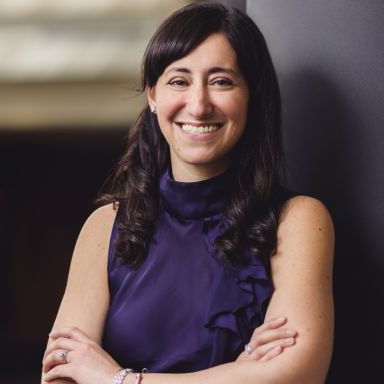
Allison S. Gabriel
Thomas J. Howatt Chair in Management, Department of Organizational Behavior and Human Resource Management, Mitch Daniels School of Business and Director, Center for Working Well, Purdue University
Dr. Allison (Allie) Gabriel is the Thomas J. Howatt Chair in Management in the Department of Organizational Behavior and Human Resource Management at Purdue University’s Mitch Daniels School of Business. She also serves as the Director of the Center for Working Well, and is the Senior Editor for micro-research submissions at Journal of Management. Previously, she served as an Associate Editor at Journal of Applied Psychology (2020-2026), and a Guest Editor at Journal of Organizational Behavior (2024-2026) and Work & Occupations (2016-2020). Broadly, Dr. Gabriel aims to understand how employees thrive and promote their well-being at work and home. To tackle this general aim, she studies emotions and emotion regulation in the workplace, recovery, motivation, interpersonal stressors/relationships, and experiences unique to women at work—specifically as they pertain to women’s health and motherhood.

John McKain
Director of External Affairs, Kenan Institute of Private Enterprise
John McKain is a leader in public affairs and strategic communications with deep experience forging powerful collaborations that lead to large-scale impacts. His portfolio includes external affairs, marketing, media relations, event management and brand development for the institute. He is advancing the national reputation for the institute through an integrated marketing strategy that showcases thought leadership, research excellence, community development and student engagement. He devotes time to supporting his two college-age children and, in his spare time, enjoys running, hiking and photography.

Chancellor Lee H. Roberts
Chancellor, University of North Carolina at Chapel Hill
Lee H. Roberts is the 13th chancellor of the University of North Carolina at Chapel Hill, the nation’s first public university.
A longtime financial executive and former state budget director, Roberts served as Carolina’s interim leader before the University of North Carolina System Board of Governors elected him chancellor in August 2024.
As Chancellor, Roberts is the chief executive of the first public university in the United States, overseeing a $4.5 billion budget, approximately 30,000 students, 4,000 faculty, and 10,000 staff at UNC-Chapel Hill, a global R1 research university and member of the American Association of Universities, generating $1.55 billion in annual research funding.
Chancellor Roberts has placed priorities on initiatives that will help graduating Tar Heels find success and support researchers, faculty, and staff in the areas of generative AI, applied sciences, enrollment growth, and campus master planning, among others.
A longtime financial executive and former state budget director, Roberts served as Carolina’s interim leader before the University of North Carolina System Board of Governors elected him chancellor in August 2024.
As Chancellor, Roberts is the chief executive of the first public university in the United States, overseeing a $4.5 billion budget, approximately 30,000 students, 4,000 faculty, and 10,000 staff at UNC-Chapel Hill, a global R1 research university and member of the American Association of Universities, generating $1.55 billion in annual research funding.
Chancellor Roberts has placed priorities on initiatives that will help graduating Tar Heels find success and support researchers, faculty, and staff in the areas of generative AI, applied sciences, enrollment growth, and campus master planning, among others.

Christian Lundblad
Director of Research, Kenan Institute of Private Enterprise and Richard "Dick" Levin Distinguished Professor of Finance, UNC Kenan-Flagler Business School
Christian Lundblad serves as director of research for the Kenan Institute of Private Enterprise. His research spans empirical asset pricing, investment management, hedge and mutual funds, and international finance, with a specialization in emerging markets. He teaches courses on macroeconomics for managers, investment management and global financial markets, including emerging market finance and development.

Paige Ouimet
Paige Ouimet, Executive Director, Kenan Institute of Private Enterprise and Professor of Finance, UNC Kenan-Flagler Business School
Paige Ouimet became executive director of the Kenan Institute of Private Enterprise in August 2023 after a year as the institute's research director.
She has several research projects looking at income inequality and the role of firms. She also has researched ESOP (employee share ownership plans) and employee stock options and their impact on labor productivity, wages and turnover.
She has several research projects looking at income inequality and the role of firms. She also has researched ESOP (employee share ownership plans) and employee stock options and their impact on labor productivity, wages and turnover.
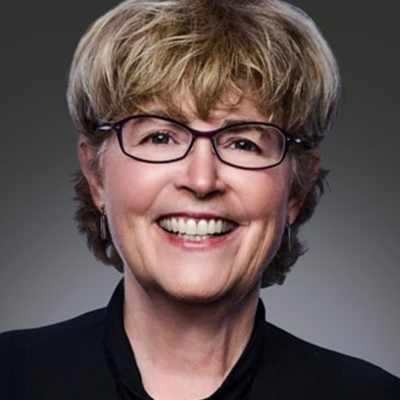
Karen A. Popp
Senior Counsel, Sidley Austin LLP
Karen A. Popp is a partner in the Washington, D.C. office of Sidley Austin LLP, where she is global co-leader of the firm’s White Collar: Government Litigation & Investigations group and has served as member of the firm’s Executive Committee. She has an expansive practice representing companies and individuals in high-profile matters with legal, political and public relations components, such as corporate criminal defense, internal investigations, SEC Enforcement, Congressional investigations, OIG and State Attorney General actions, corporate compliance and litigation.
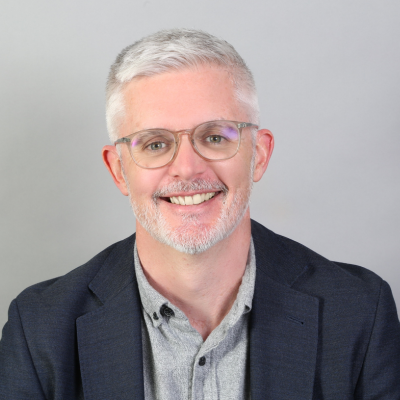
Mark Scullion
Founder and CEO (ret.), Atlas Clinical Research
Mark Scullion is the founder and former Chief Executive Officer of Atlas Clinical Research, where he led the growth of the company from launch through its merger with Alliance Clinical Network in 2026.
Over the past two decades, Mark has held leadership roles across the clinical research industry, including Novartis, Syneos Health and IQVIA. Throughout his career, Mark has led large global organisations through periods of growth, transformation and change, with responsibility spanning clinical development, operations and commercial strategy.
Mark's work has centred on improving how clinical research is planned and delivered, with experience spanning sponsors, CROs and research sites. He has a particular interest in organisational transformation, with a focus on how new operating models shape the way people work and how clinical research is delivered.
He earned his Executive MBA from UNC Kenan-Flagler Business School and lives in Chapel Hill, NC.
Over the past two decades, Mark has held leadership roles across the clinical research industry, including Novartis, Syneos Health and IQVIA. Throughout his career, Mark has led large global organisations through periods of growth, transformation and change, with responsibility spanning clinical development, operations and commercial strategy.
Mark's work has centred on improving how clinical research is planned and delivered, with experience spanning sponsors, CROs and research sites. He has a particular interest in organisational transformation, with a focus on how new operating models shape the way people work and how clinical research is delivered.
He earned his Executive MBA from UNC Kenan-Flagler Business School and lives in Chapel Hill, NC.

Jeff Swearingen
Global Senior Vice President (ret.), PepsiCo and Executive Coach, Dichotomy Solutions
Having joined PepsiCo in 1994, Jeff recently retired as the Global Senior Vice President of Commercial Capabilities. His teams were responsible for accelerating and converting global demand for PepsiCo’s categories through advantaged insights, analytics, pricing, promotion, merchandising, marketing, and execution capabilities. Throughout his career, Jeff has held leadership roles across Brand Marketing, National Sales, Insights, Analytics, Retail Strategy and Global Service Centers. Jeff has deep CPG and Retail experience in North America, and most recently led Commercial teams across approximately twenty key global markets. Prior to PepsiCo and business school, Jeff spent four years in corporate banking with Hibernia National Bank in New Orleans, Louisiana.
Jeff thrives in helping others achieve their personal and professional aspirations. Drawing on his 35-year career, he recently kicked off a passion project in Executive Coaching. His practice focuses on four areas of transformation: 1) Growth, 2) Influence, 3) Communication and 4) Agility. His motivation to serve and enable the growth and development of others.
Jeff thrives in helping others achieve their personal and professional aspirations. Drawing on his 35-year career, he recently kicked off a passion project in Executive Coaching. His practice focuses on four areas of transformation: 1) Growth, 2) Influence, 3) Communication and 4) Agility. His motivation to serve and enable the growth and development of others.
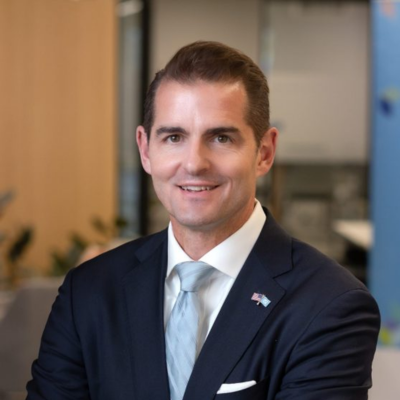
Tommy Sowers
Vice Chancellor for Innovation, Entrepreneurship and Economic Development and Chief Innovation Officer, University of North Carolina at Chapel Hill
The Honorable Tommy Sowers, Ph.D., serves as Vice Chancellor for Innovation, Entrepreneurship and Economic Development and Chief Innovation Officer at the University of North Carolina at Chapel Hill. He brings cross-sector leadership to strengthen Carolina’s innovation ecosystem and leads efforts to scale the University’s research commercialization pipeline, expand startup formation, and deepen partnerships with industry, venture capital, and public-sector collaborators. His work aligns Carolina’s innovation infrastructure – from labs to launch – into a more cohesive, high-impact system.
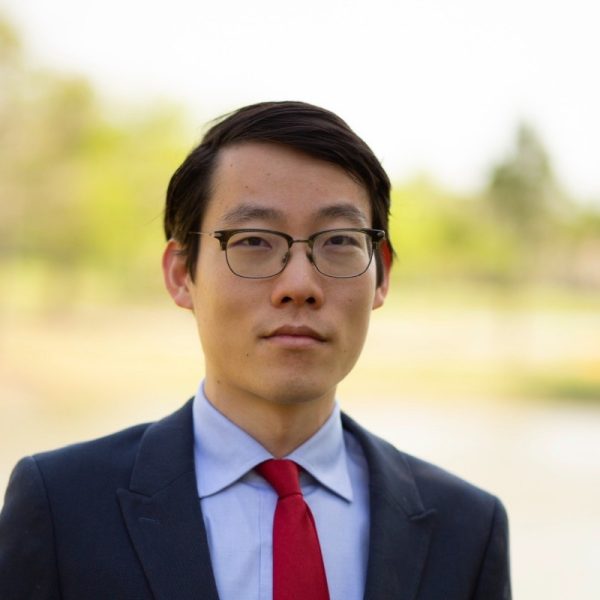
Daniel Zhao
Chief Economist, Glassdoor and 2026 Kenan Institute Distinguished Fellow
Daniel Zhao is Chief Economist at Glassdoor, the worldwide leader on career insights about jobs and companies. Daniel leads the Economic Research team, conducting research using Glassdoor’s unique data on a range of topics in labor market trends and employer-employee relations.
Daniel’s work covers drivers of employee engagement and sentiment and has produced new data products like the Glassdoor Employee Confidence Index. Daniel’s research has also touched on other topics like pay transparency, employee retention, layoffs and leadership communication styles.
Daniel’s work covers drivers of employee engagement and sentiment and has produced new data products like the Glassdoor Employee Confidence Index. Daniel’s research has also touched on other topics like pay transparency, employee retention, layoffs and leadership communication styles.
